• Designing content that is likely to be referred and shared, for Content marketing that brings results, here are the Five Key Components.

    Content Marketing Objective

    Define your Content Marketing objective and  understand the reasons your audiences are likely to share your content. Create a check-list for each content marketing effort to understand the purpose of your content. A simple checklist can help you understand the content and the reason it is likely to be shared. An easy way to decide on your content marketing is to see where your content resides among the following key reasons; usefulness, discovery or reliving experiences.
    (more…)

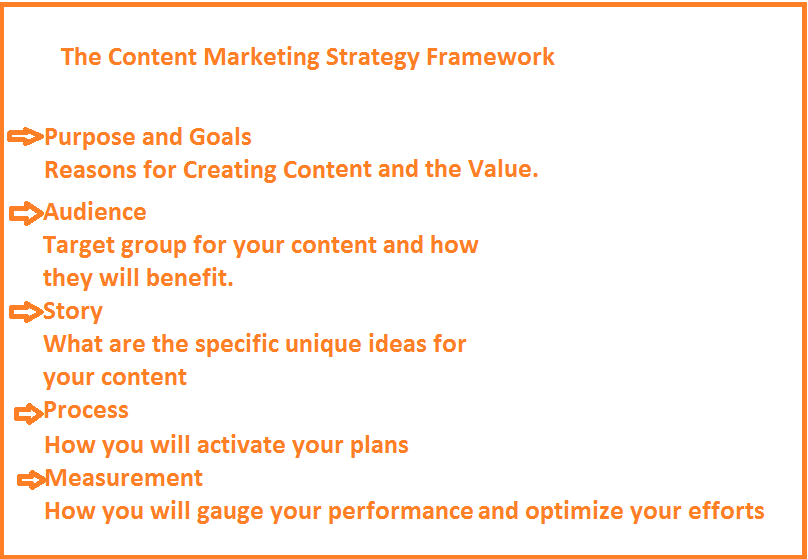
  • Content Marketing Strategy Framework that enables brands build scalable operation and  serve the right content at the right time involves a five-step process. The questions that your Content Marketing Strategy needs to answer are:

    The five steps in Content Marketing Strategy framework are

    Purpose & Goals – Defining the purpose for your content. The question you need to answer is ” How we can create Business value from the creation of an engaged audience”
    Audience – Defining the target group for your content and how they derive value from your content
    Story – What are the unique ideas for your content for each stage of the buyer journey
    Process – Process lays down the format for activating your plans
    Measurement – Measurement includes gauging your performance and optimizing your efforts.

    framework

    With the Content Marketing Strategy framework, marketers are able to work out Content Marketing Strategy Statement that is aimed at a cohesive approach for Content Marketing efforts. Here is an easy template to help you work out your Content Marketing strategy statement.

    content-mktg-strategy-statement
    Use the Content Marketing Strategy statement to choose topics and add the same to your editorial checklist.

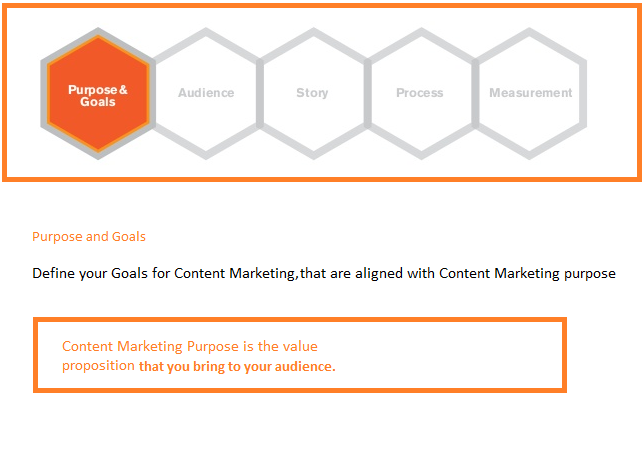
    Purpose and Goals

    content-purpose

    Purpose and Goals answer the reason for Content Marketing that could range from Increasing revenue to  boosting sales or deepening Customer loyalty to raising awareness. Content Marketing Purpose centers around the value proposition that your content brings with a view to creating value from an engaged audience and answers the question “Why are we creating the content in First place?’

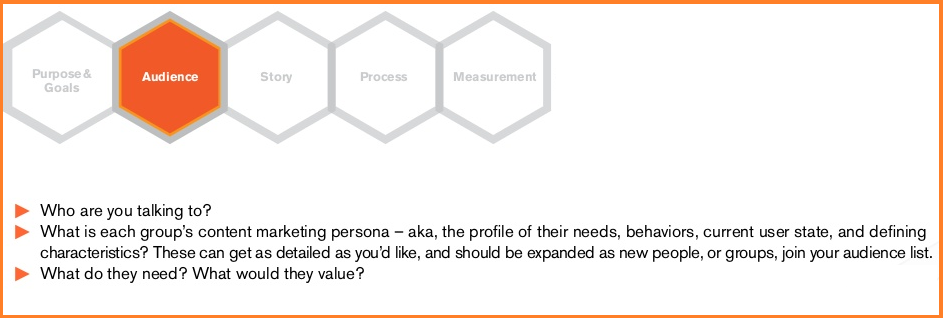
    Audience

    audience

    Define who your audience are and whom you are targeting with your content to turn them into subscribers. Some of the questions that you need to answer to get a clear picture pertain to understanding the needs, behaviors, current user state and any other defining characteristics.

    Story

    story

    The story is a unique idea that lets you monetize audiences that gather around it. The story focuses on Why it happened. A story is a selling tool that is intended to deliver business value. With a story you can deliver unique business value by building customer relationships. With an effective story, brands can build thriving customer communities. At the heart of the story, is Value Creation and purpose. It does not necessarily have a beginning or an end. The story is a way to build a rapport and earn Trust of customers to turn them into loyal fans and supporters.

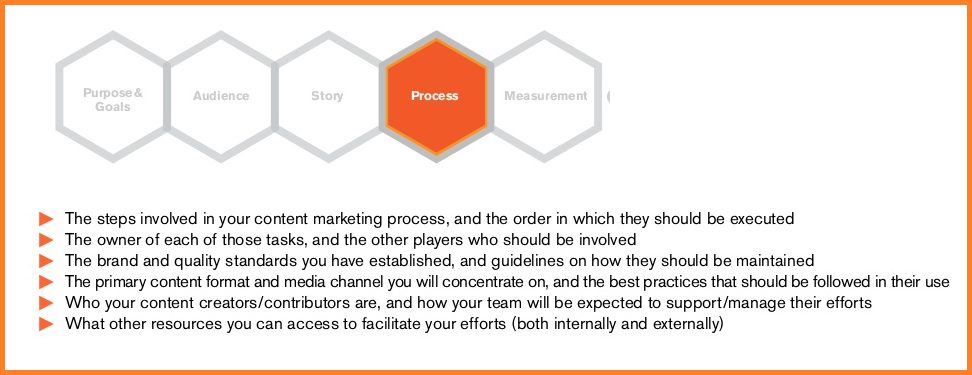
    Process

    process1

    The Process is an operational plan that will enable your business to meet the Content Marketing requirement. The operational plan lays down the steps involved in publishing content and the order in which they should be executed. The process is a step-by-step plan that spells out the owner of each task for the team involved.

    The Process also covers modus operandi for producing different content format and the best practices that should be followed. The Process also lists stakeholders (Creators/ Contributors and Distributors). The level of support, resources required and timelines form the Process for Content Marketing. It includes Site Navigation, standard routing process and work-flow, required Team and Skill set,  Editorial Style and communication guidelines, Channel Plan and required tools and systems for optimal production and creativity.

    Measurement 

    measurement

    Measurement comprises of Key Performance Indicators and Metrics that help you ascertain your achievement of goals within a timeline. Determine the goals that are required to be achieved to eventually deliver on Key Performance indicators. E.g. if you are required to get to a rich audience database prior to generating qualified leads, you need to measure your performance for the goal of a rich audience database.

  • As you set out to create your Social Media and Digital marketing plans for 2017, here are some steps to help you plan your social media advertising for 2017. Based on the success of your organic content or previous advertising efforts you can choose social media network that delivers the best results.

    Step One : Define Your Objectives

    Start with defining your objectives. If increasing awareness is your objective your goal will need to be more specific.After defining the objectives pen down the goals i.e. Increase awareness by 20 percent.

    Step Two : Know your Target Audience

    Who is your Target Audience?

    What are their interests, lifestyles, frustrations?

    What does this group of customers want/need?

    What will motivate them to click on the ad?

    Develop personas of your Target Audience. Here is an example of personas for foreign Language learning Software company.

    personas

    Step Three : Develop Compelling Creative

    Generate interest with the creative that will make the customers click on the link or take action with you ad. It is essential to use Bold and striking imagery that will compel people to click on the ad creative.

    adexample

    Create Intent by using phrases in your ad that users are most likely to be looking out for in your brand’s context.
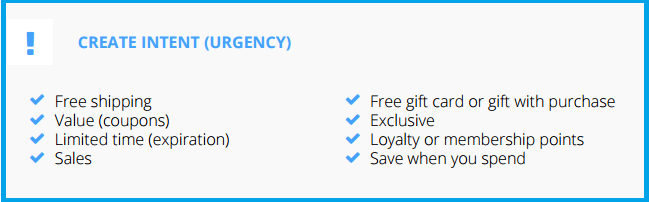
    intent

    Include Call-to-Action in your ad copy. Promotions and Incentives help drive the intent to purchase, while CTA is important for increasing Click-through or allowing the audience to know how to engage with your content.

    Specific Landing Pages

    Design Specific landing pages tailored to different products and promotional offers. Well designed Landing Pages are essential for providing a quality experience for consumers and driving conversions with a personalized targeted message.  Fresh creative, iteration and constant testing  keeps  your brand current and top of mind, while avoiding saturation within your audience.

    Step Four : Test New Layouts and Styles

    Define the goal for your creative testing. Advertisers test ad creative to understand how to improve the performance or which ad concept resonates with the target audience. Set aside a budget for testing. Test different themes to arrive at the best performing themes. Test thematically to top performing audience segments, and use iterations of winning themes concepts. Narrow down on best performing content prior to roll out.

    CTRs increase and CPA decreased with a change in creative.
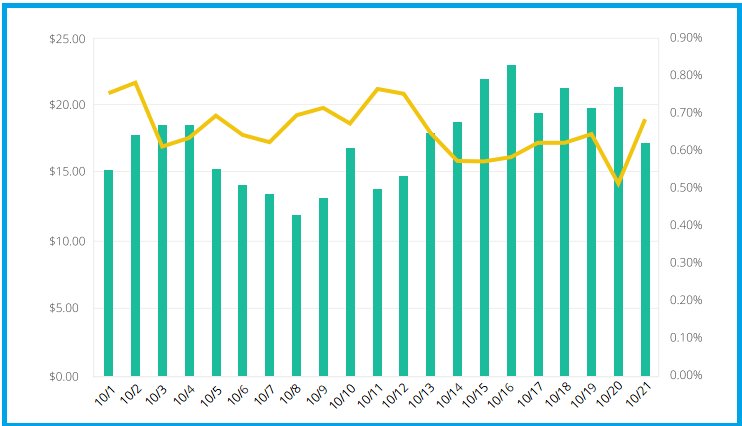
    ctrscpa

    Step 5 : Target and Optimize

    Optimize your campaign by targeting the top performing audience groups. Targeting your audience is based on Age, Gender and location. Narrow down your targeting options to include audiences that are most likely to respond based on your buyer personas. Specify the behaviors, interests and demographics in detailed targeting. For an Organics brand, here is an example of Detailed Targeting and Interests that can be used to narrow down and targeting specifically.
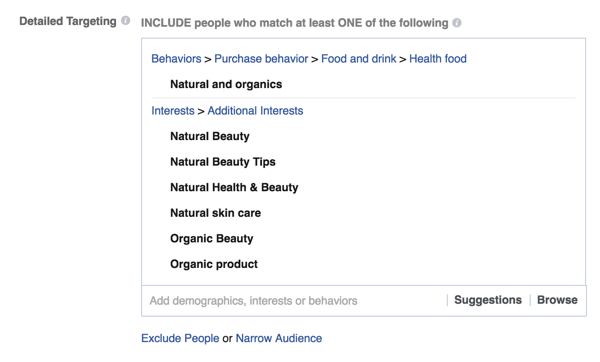
    detailed-targeting

    Source : The Secret To Facebook Advertising Success, Image sourced from Social Media Examiner

Create your own website, free on WordPress.com.Create your own website.
Start free